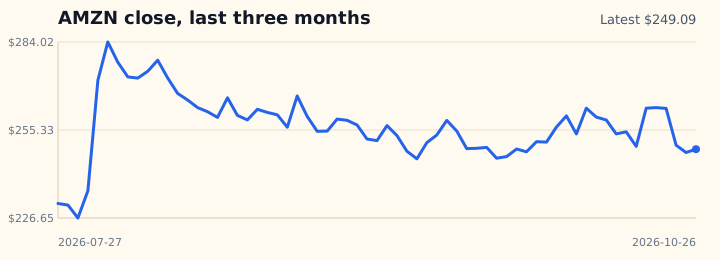
Amazon is the strategic platform competitor: One Medical, Amazon Pharmacy and virtual-care efforts make it a distribution and experience threat even though health is a small part of the broader company.
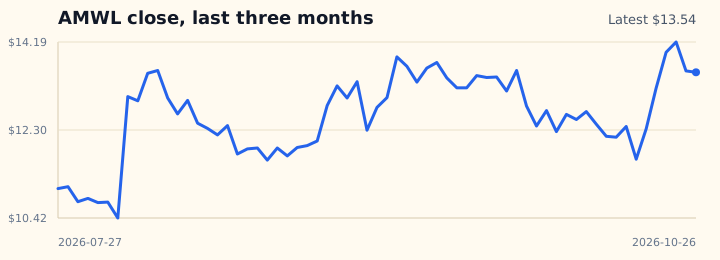
Amwell is a telehealth infrastructure and hybrid-care platform used by health systems, payers and employers, with roots in white-label virtual visits and digital-care enablement.
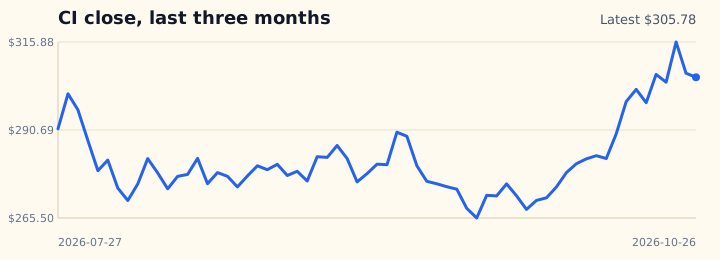
Cigna and Evernorth compete through benefits, behavioral health, pharmacy services and virtual-care partnerships, representing the payer/PBM path into digital access and care navigation.
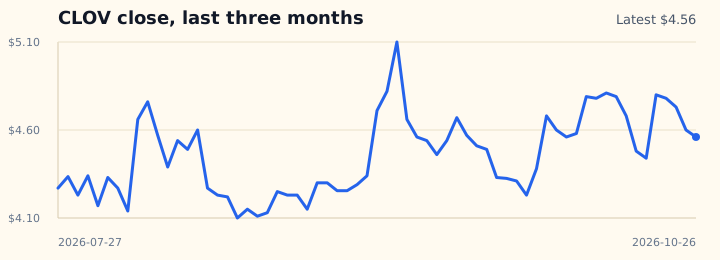
Clover is a Medicare Advantage insurer with software-enabled care-management ambitions, less direct-to-consumer telehealth and more payer/care-navigation context.
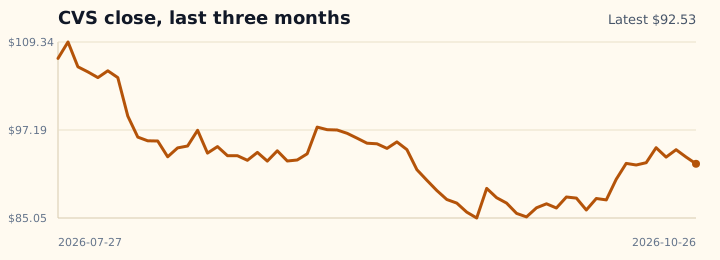
CVS Health combines payer, pharmacy, clinic and digital assets, so its virtual-care relevance comes from integrated access, navigation and pharmacy-adjacent care at national scale.
Doximity is the physician-network and workflow player in this set, with telehealth, scheduling and clinician communication products that sit closer to provider enablement than consumer care delivery.
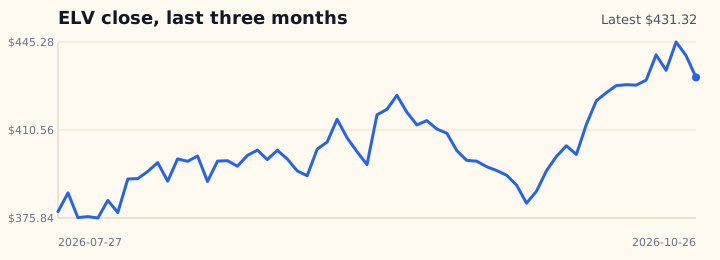
Elevance is a major insurer with digital front-door, care-management and virtual-care assets; it matters because payer-owned platforms shape what employers and members expect from access.
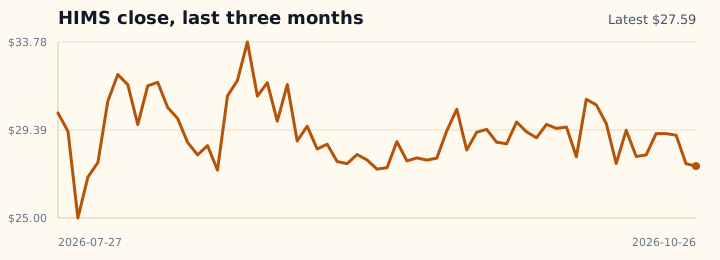
Hims & Hers is a direct-to-consumer digital health company built around online access, asynchronous care, pharmacy fulfillment and consumer subscriptions in categories like sexual health, dermatology, weight and mental health.
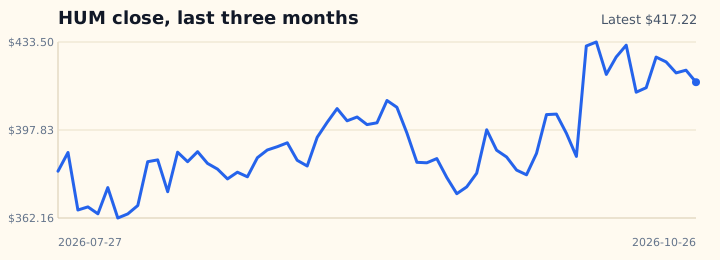
Humana is most relevant through Medicare Advantage, CenterWell, home and primary-care strategy, and virtual access wrapped into senior-focused care models.
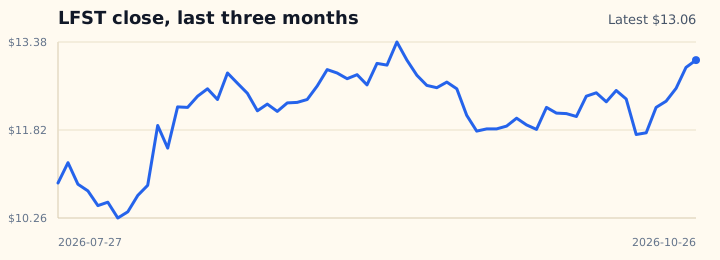
LifeStance is a large outpatient behavioral-health provider with in-person and virtual therapy and psychiatry, making it a useful mental-health access comp even though it is not a pure telehealth platform.
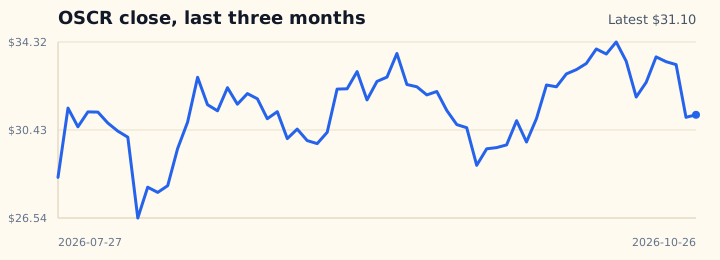
Oscar is a tech-forward health insurer with virtual-first care navigation and member engagement, useful as a comp for how payers package digital access inside insurance products.
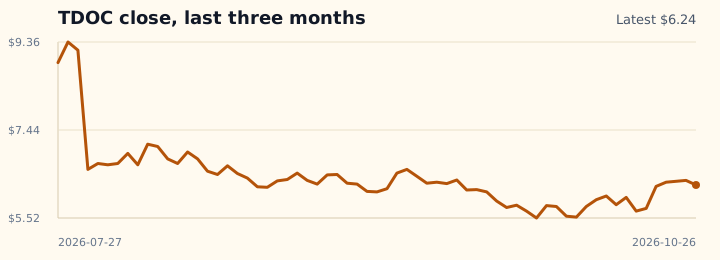
Teladoc Health is the pure-play virtual-care benchmark: general medical visits, mental health, chronic-condition support and enterprise care programs sold to employers, plans and health systems.
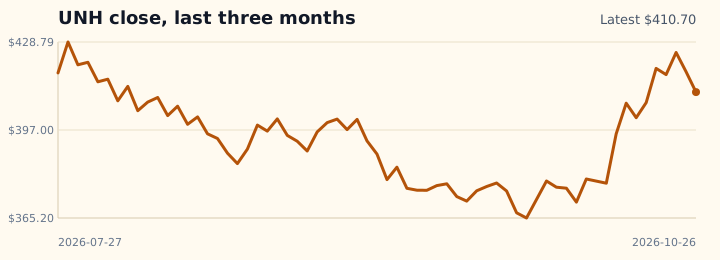
UnitedHealth and Optum are the scaled-services benchmark, with payer, provider, pharmacy and virtual-care capabilities that influence the market even when they are not branded as a standalone telehealth company.
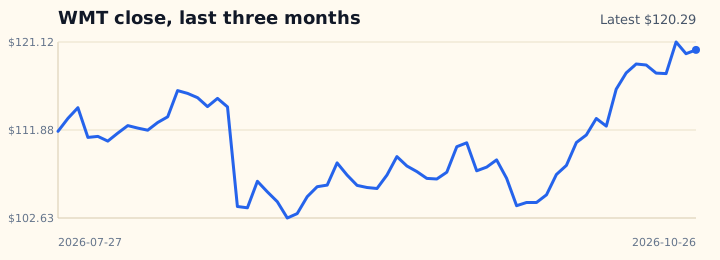
Walmart is a retail-health distribution comp: its physical footprint, pharmacy presence and virtual-care experiments show how consumer access players test healthcare entry points.
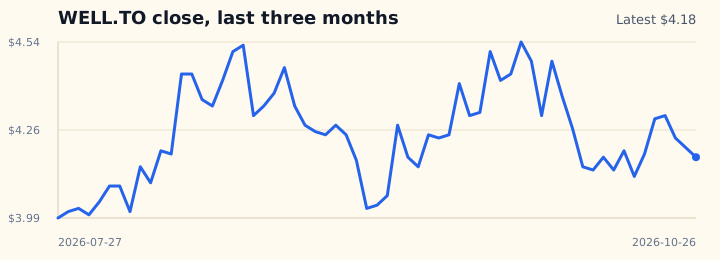
WELL Health is a Canadian digital-health and clinic platform with omnichannel care, virtual visits, provider services and software assets across Canada and the U.S.